Washing Methods
Pressure Washing vs. Soft Washing: What Georgia Homeowners Should Know
The Short Answer
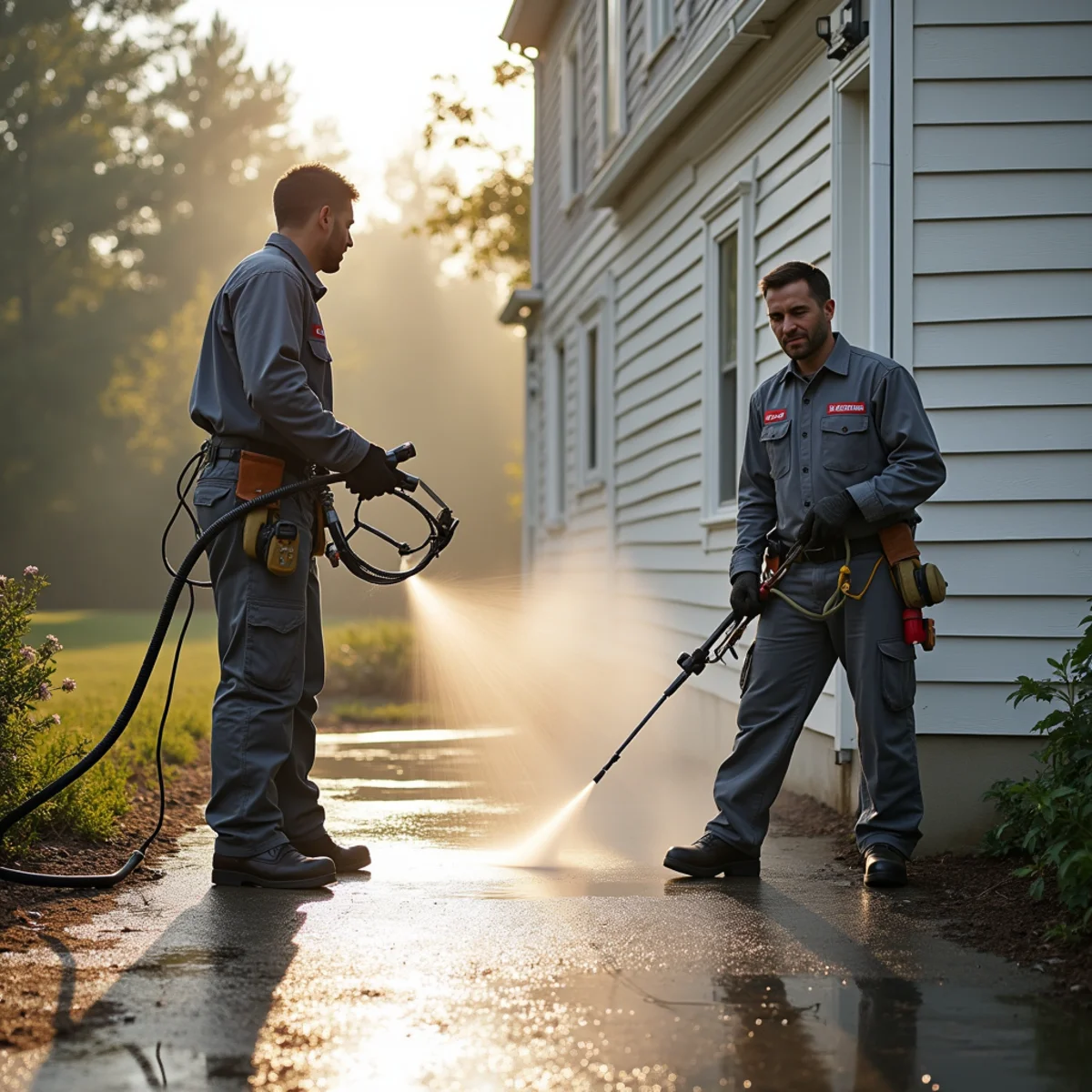
Pressure washing uses controlled high-pressure water to clean hard, durable surfaces like concrete driveways and sidewalks. Soft washing uses low pressure — closer to a heavy rain — paired with a cleaning solution to safely clean siding, roofs, and painted surfaces. In Georgia's humid climate, most homes need both: soft washing for the house and roof, pressure washing for the concrete. The wrong method on the wrong surface is where damage happens.
The Core Difference: Force vs. Chemistry
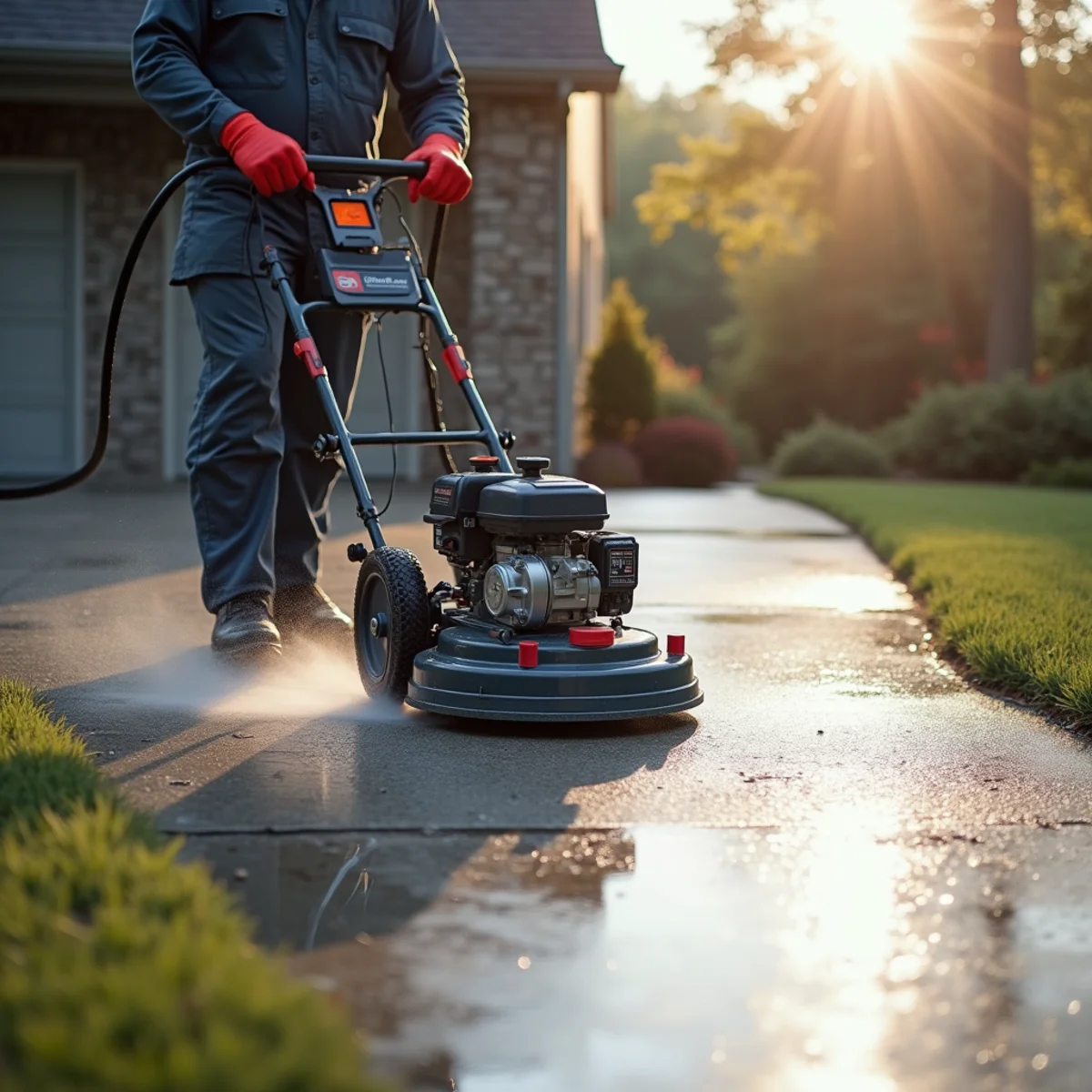
Pressure washing does its work with mechanical force. Water leaves the machine at high pressure and physically blasts grime, algae, and staining off the surface. On a concrete driveway, that's exactly what you want — concrete is dense and durable, and paired with a rotary surface cleaner, controlled pressure produces that satisfying, evenly clean finish.
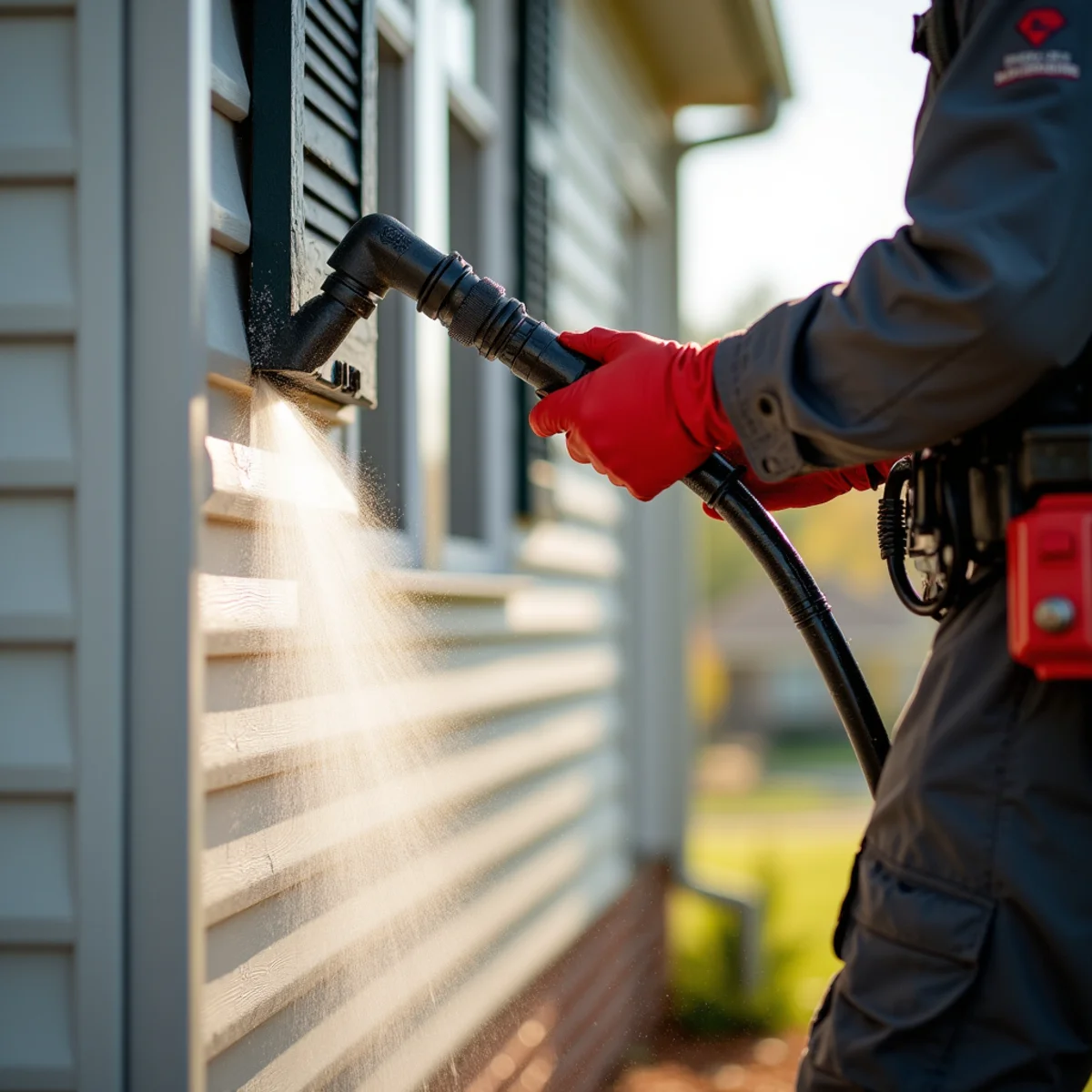
Soft washing flips the equation. The pressure is turned way down — a soft wash rinse hits siding with roughly the force of a garden hose — and a purpose-mixed cleaning solution does the actual work. The solution breaks down algae, mildew, and organic growth at the root, then everything rinses away gently. No force, no stress on the surface.
Neither method is 'better.' They're different tools. The skill is in knowing which surface gets which — and that's where a lot of DIY projects and low-bid contractors go wrong.
Which Surfaces Need Soft Washing
Any surface that can be penetrated, dented, stripped, or loosened by concentrated pressure should be soft washed. On a typical Georgia home, that list is longer than most people expect:
- Vinyl siding — high pressure can crack panels and force water behind them, where it feeds mold you can't see
- Asphalt shingle roofs — pressure strips the protective granules and can void manufacturer warranties
- Painted surfaces and trim — pressure lifts and peels paint, especially on older homes
- Stucco and EIFS — both surfaces chip and 'blow out' under concentrated pressure
- Soffits, fascia, and gutters' exterior faces — thin aluminum dents and oil-canning shows forever
- Wood decks and fences — pressure gouges soft grain and leaves furry, splintered wood
Which Surfaces Handle Pressure Washing
Hard mineral surfaces are built for force. Concrete, most brick and paver hardscapes, and stone walkways clean up beautifully under controlled pressure — and often can't be fully cleaned any other way, because organic buildup bonds tightly into their porous texture.
The keyword is still control. Professional equipment lets the operator match pressure to the material: aging concrete gets treated more gently than a new driveway, mortar joints get respected, and surface cleaners keep the finish even instead of leaving wand stripes. Maximum PSI is never the goal; the correct PSI is.
- Concrete driveways, sidewalks, and patios
- Pool decks and curbing
- Brick and paver hardscapes (with appropriate pressure)
- Stone walkways and selected retaining walls
Why This Matters More in Georgia
Georgia's climate is practically designed to grow things on your house. Long humid summers feed Gloeocapsa magma — the algae behind black roof streaks — plus the green film that creeps across shaded siding and the slick black buildup on concrete under tree cover.
Because the growth is biological, chemistry matters as much as force. A soft wash solution kills algae and mildew at the root, which is why a properly soft-washed house stays clean noticeably longer than one that was simply blasted with water. Pressure alone often smears living growth around and leaves the roots behind — the green comes back fast.
Red clay adds a Georgia-specific twist on hardscapes. Clay staining bonds into concrete pores, so professionals pre-treat it before pressure washing rather than trying to force it out with pressure alone, which risks etching the surface.
The Damage We See From the Wrong Method
Most exterior damage from washing comes down to one mistake: treating every surface like concrete. The classic examples are wand lines permanently etched into a driveway, stripped shingle granules collecting in gutters after someone pressure washed a roof, water stains inside a wall after pressure forced water behind vinyl panels, and fuzzy, splintered deck boards.
None of it is reversible. That's why the first question to ask any pressure washing company isn't the price — it's what method they'll use on each surface. A company that gives you one answer for the whole property is a red flag.
What a Surface-Specific Clean Looks Like
On a typical Redline job in the Woodstock area, one property gets multiple methods. The house gets a low-pressure soft wash. If the roof has black streaks, it gets its own dedicated low-pressure treatment — never a pressure wand. The driveway and walkways get pre-treated and cleaned with a rotary surface cleaner under controlled pressure. Landscaping gets pre-wetted and protected throughout.
That mix is the honest answer to 'pressure washing vs. soft washing' — a well-cleaned Georgia home almost always needs both, each where it belongs.
Frequently Asked Questions
Is soft washing just watered-down pressure washing?
No. Soft washing is a distinct method: low pressure plus a cleaning solution designed to break down organic growth. The solution does the work instead of force, which is what makes it safe for siding, roofs, and painted surfaces.
Does soft washing last as long as pressure washing?
On siding and roofs it typically lasts longer than pressure alone, because the solution kills algae and mildew at the root instead of just knocking off the visible growth. Regrowth timing still depends on shade, humidity, and trees around your home.
Can I pressure wash my own house siding?
We'd advise against it. Consumer machines still produce enough pressure to crack vinyl, lift paint, and drive water behind panels. If siding needs cleaning, a low-pressure soft wash is the safe route.
Which method removes black streaks on a roof?
Only a soft wash treatment. The streaks are algae, and a low-pressure application kills them without stripping shingle granules. Any company proposing to pressure wash an asphalt roof should be a hard no.
Not Sure Which Method Your Home Needs?
Send us a couple of photos and we'll tell you exactly what we'd use on each surface — free, with no obligation.
Get a Free EstimateMore From the Resource Center
- What to Look for When Hiring a Pressure Washing CompanyMost pressure washing quotes look the same on paper. The differences that actually matter — method, protection, and accountability — only show up when you ask the right questions.View
- Exterior Cleaning Checklist Before Selling a HomeBuyers judge your home from the curb before they ever step inside — and listing photos are the new first showing. Here's the exterior cleaning checklist to work through before your home hits the market.View