Seasonal
How Pollen, Humidity, and Shade Affect Your Home’s Exterior
The Short Answer
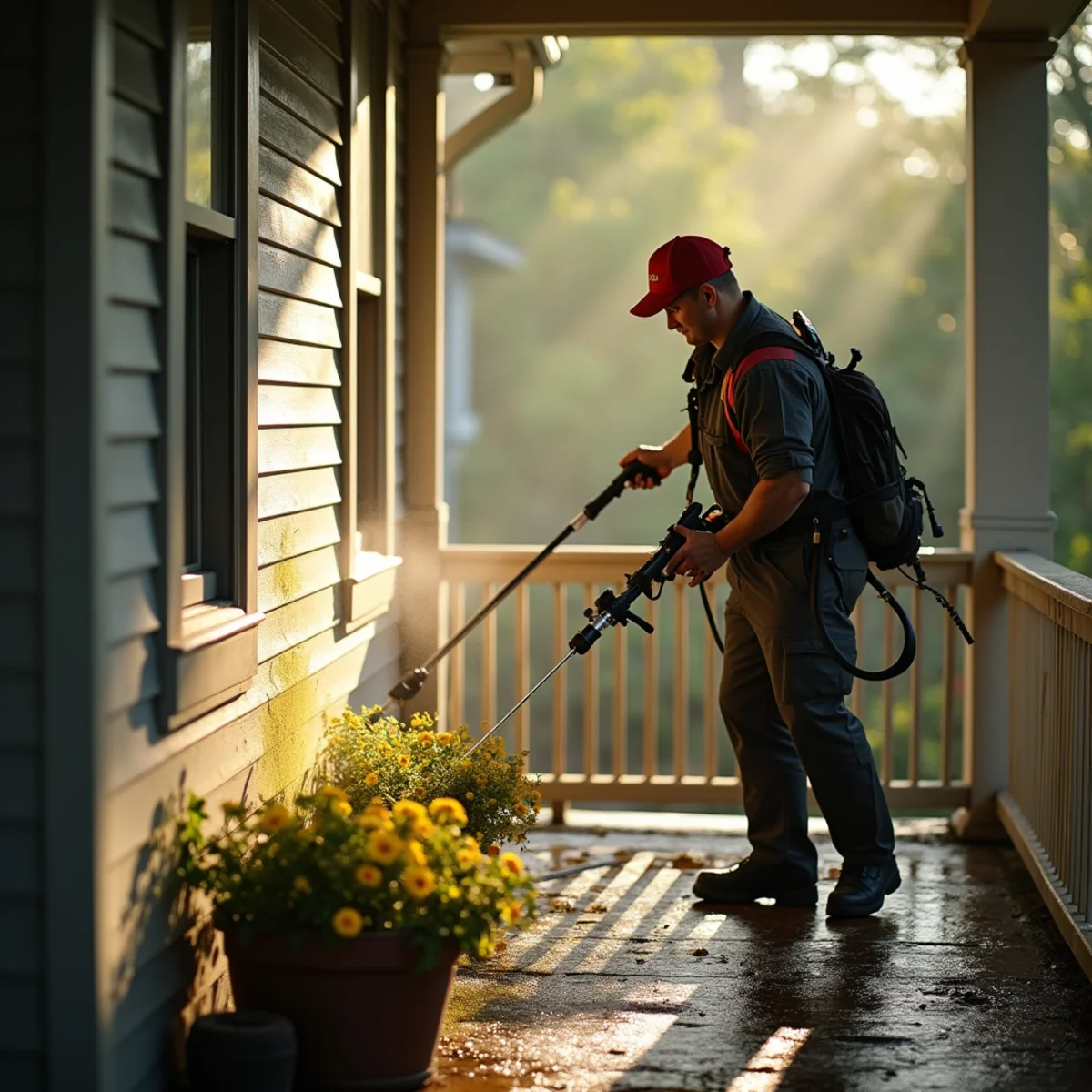
Pollen coats every surface each spring, humidity feeds algae and mildew all summer, and shade lets both linger — which is why the north side of a Georgia home almost always looks worse than the south. Pollen film is sticky and slightly oily, so a plain water rinse tends to smear it rather than remove it. The reliable fix is a low-pressure house wash with a cleaning solution after the heavy pollen drop ends, plus a quick walk-around each season to catch green growth on shaded walls early.
Three Forces, One Dirty House
Every spring in Cherokee County we hear the same two observations: the whole house turned yellow overnight, and one wall is going green while the rest looks fine. Neither is random. Georgia exteriors face a specific trio — pollen, humidity, and shade — each playing a different role.
Pollen supplies the coating and, later, the food. Humidity supplies the moisture that organic growth needs. Shade decides where that moisture hangs around long enough to matter. Understand how the three interact and your home's staining pattern stops being a mystery — and so does the cleaning schedule.
Pollen: The Yellow Film That Won't Just Rinse Off
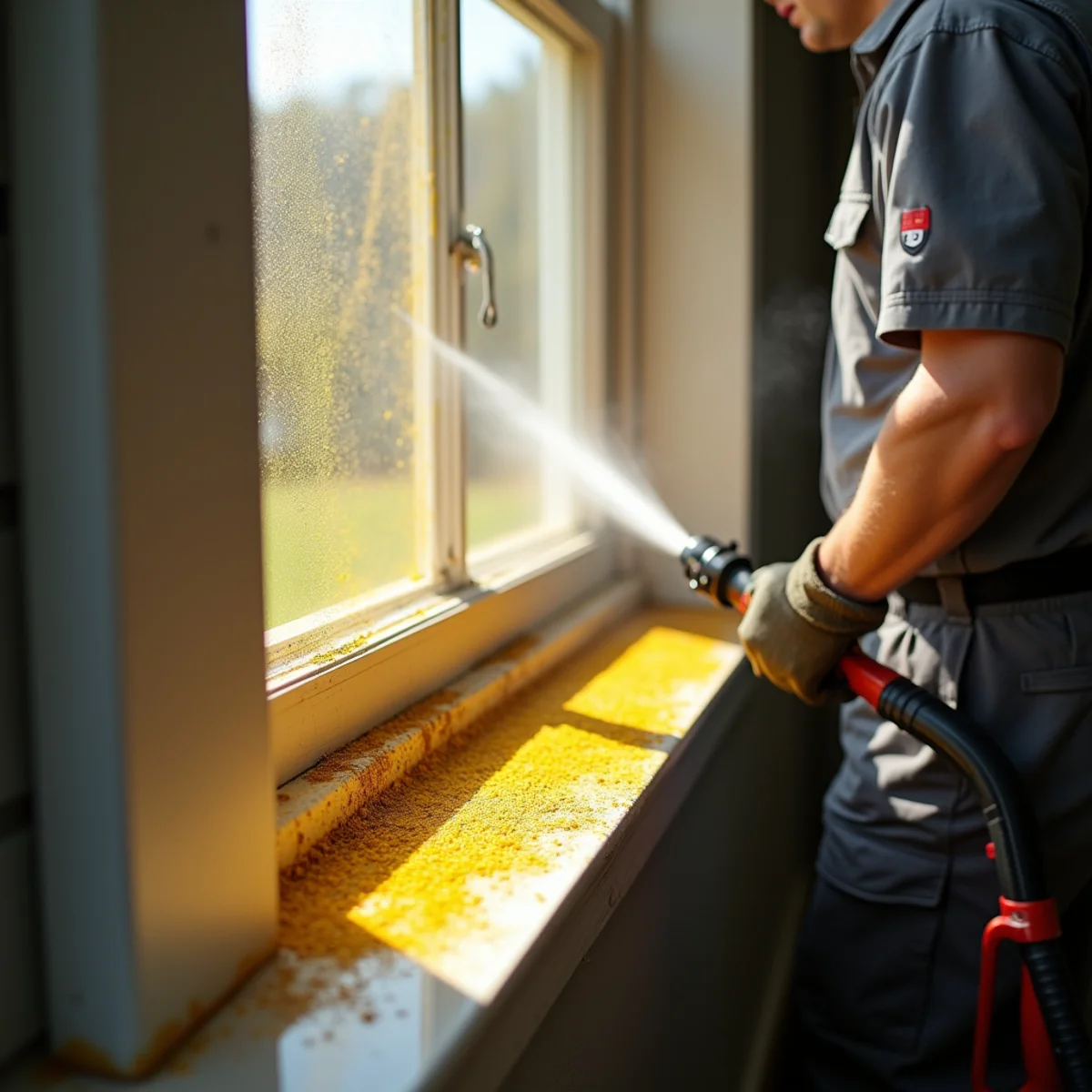
The heavy yellow dust that blankets North Georgia from late winter through spring is mostly pine pollen — grains large enough to see, released in enormous quantities. Oak follows close behind with a finer pollen that settles into every crevice pine missed. Between the two, siding, windows, porches, and cars all get coated for weeks.
Here's the frustrating part: pollen grains carry natural oils and proteins on their outer coat. Add a little dew or a pass with the garden hose, and the dry dust turns into a sticky paste that clings to siding texture, window frames, and screens. That's why rinsing alone so often smears the film into streaks — you're pushing wet pollen around, not breaking it down.
Left in place, the film isn't just cosmetic. That layer of organic material becomes a ready food source for the algae and mildew that show up once summer humidity arrives. A spring pollen coat is essentially fertilizer for a summer growth problem.
Humidity: The Engine Behind Algae, Mildew, and Mold
Organic growth needs moisture, warmth, and something to eat — Georgia summers deliver all three. Humid air loads surfaces with dew overnight, then keeps them from drying quickly the next morning. On a muggy July day, a siding panel can stay damp well past breakfast, and that repeated wet window lets growth take hold.
The green haze that creeps across vinyl siding is usually algae. The black streaks on asphalt shingle roofs are typically Gloeocapsa magma, an algae-like organism that feeds on the limestone filler in shingles. Mildew favors damp, still corners — soffits, porch ceilings, behind shrubs. Different organisms, same engine: humidity.
- Green film or haze on siding — algae, usually starting low on the wall and near downspouts
- Black streaks running down a roof — roof algae feeding on the shingles themselves
- Gray or black spotting on soffits and gutter faces — mildew in the damp, sheltered zones
- Slick dark film on shaded concrete and steps — an algae and mildew mix that gets slippery when wet
Shade: The Multiplier That Makes One Side Worse
Sunlight is your exterior's natural dryer, and shade takes it away. North-facing walls get the least direct sun, so they stay damp for hours after the south and west sides have dried. Add the tree cover on a typical wooded Woodstock or Milton lot and the effect compounds — canopy shade, drip lines after every rain, and leaf debris trapping moisture against surfaces.
That's the whole answer to why one side of the house is always worse. The growth equation only tips where moisture lingers, and shade is what lets it linger. Two walls on the same house, washed on the same day, can look completely different a year later purely because of sun exposure.
We plan our work around this. On a house wash, the shaded elevations are where we expect the heaviest buildup going in, and they're the first place regrowth typically shows afterward — so that's the wall we tell homeowners to keep an eye on.
Why the Combination Beats Any Single Factor
Any one of these alone is manageable. Pollen on a sunny, breezy wall mostly dries and blows off. Humidity without a food source grows less. The trouble is the sequence Georgia runs every year: spring pollen lays down the food, summer humidity adds the water, and shade keeps the system wet enough to thrive.
Red clay adds a supporting role near the ground. Rain splash carries clay onto lower siding and foundation lines, where it bonds with the pollen film and gives growth even more to hold onto. It's part of why the bottom couple of feet on a wall often stain faster than the rest.
It's also why two similar homes a street apart age differently. An open, sunny lot sheds the triple threat naturally; a wooded lot — the very thing that makes Cherokee County neighborhoods appealing — has to manage it deliberately.
A Practical Monitoring and Cleaning Rhythm
You don't need a complicated maintenance program — just a rhythm keyed to Georgia's calendar. The biggest timing mistake we see is washing the house mid pine drop: it looks great for about a week, then the house is yellow again.
- Early spring: hold off on the full house wash until the heavy pine pollen has finished falling — usually by mid to late spring in North Georgia
- Late spring: schedule a low-pressure soft wash to clear the pollen film and knock out early algae before summer humidity feeds it
- Summer: once a month, walk your shaded elevations and look for green haze — low on the wall, behind shrubs, and at north-facing corners
- Fall: after leaf drop, clear gutters and check roof lines, since trapped debris holds moisture against shingles and fascia all winter
- Anytime: black streaks on the roof call for a dedicated low-pressure roof treatment, never a pressure wand
How We Handle the Triple Threat on a House Wash
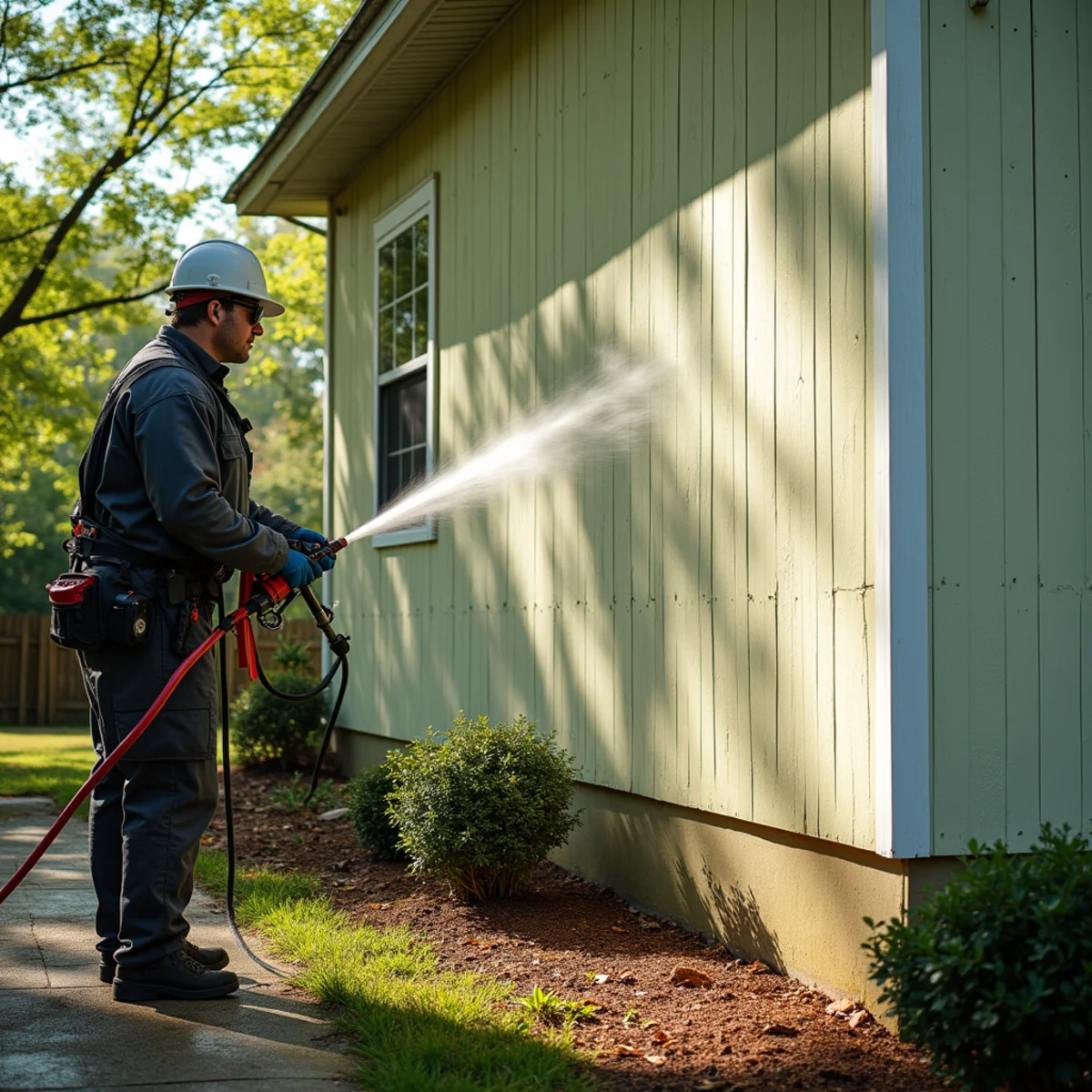
Because the buildup is biological, we clean it with chemistry rather than force. A soft wash applies a purpose-mixed cleaning solution at low pressure, which breaks down algae, mildew, and pollen residue at the root instead of smearing it around. Throughout the job we pre-wet and protect landscaping, and shaded walls get extra dwell time because that's where the growth runs deepest.
On heavily shaded lots, the worst elevation may ask for attention more often than the sunny sides — that's normal, not a sign anything was done wrong. A seasonal look at your shadiest wall, plus a wash timed after the pollen drop, keeps most Georgia exteriors ahead of the cycle. Redline is firefighter-owned and based in Woodstock, so it's the same rhythm our own house runs on.
Frequently Asked Questions
When should I wash pollen off my house in Georgia?
After the heavy pine drop ends — usually mid to late spring in the North Metro Atlanta area. Washing mid-drop means the house is re-coated within days, so save the full soft wash for after the pollen settles.
Why does only the north side of my house turn green?
The north side gets the least direct sunlight, so it stays damp longer after dew and rain. Algae and mildew need that lingering moisture to grow, which is why shaded walls green up while sunnier walls on the same house stay clean far longer.
Will a garden hose remove the yellow pollen film?
Usually not cleanly. Pollen grains are slightly oily, and plain water tends to turn the dust into a paste that smears across siding texture. A low-pressure wash with a cleaning solution breaks the film down so it rinses away instead of streaking.
Would trimming back trees stop the algae from coming back?
It can help. More sunlight and airflow means walls dry faster, which typically slows regrowth on that elevation. It won't eliminate the issue on its own — Georgia humidity does plenty of work by itself — but trimming plus a regular wash rhythm is a strong combination.
One Wall Always Looks Worse Than the Rest?
Send us a photo of your shadiest side and we'll tell you what's growing on it and how we'd clean it — free, and with zero obligation.
Get a Free EstimateMore From the Resource Center
- What to Look for When Hiring a Pressure Washing CompanyMost pressure washing quotes look the same on paper. The differences that actually matter — method, protection, and accountability — only show up when you ask the right questions.View
- Exterior Cleaning Checklist Before Selling a HomeBuyers judge your home from the curb before they ever step inside — and listing photos are the new first showing. Here's the exterior cleaning checklist to work through before your home hits the market.View