Washing Methods
Is Soft Washing Safe for Vinyl Siding?
The Short Answer
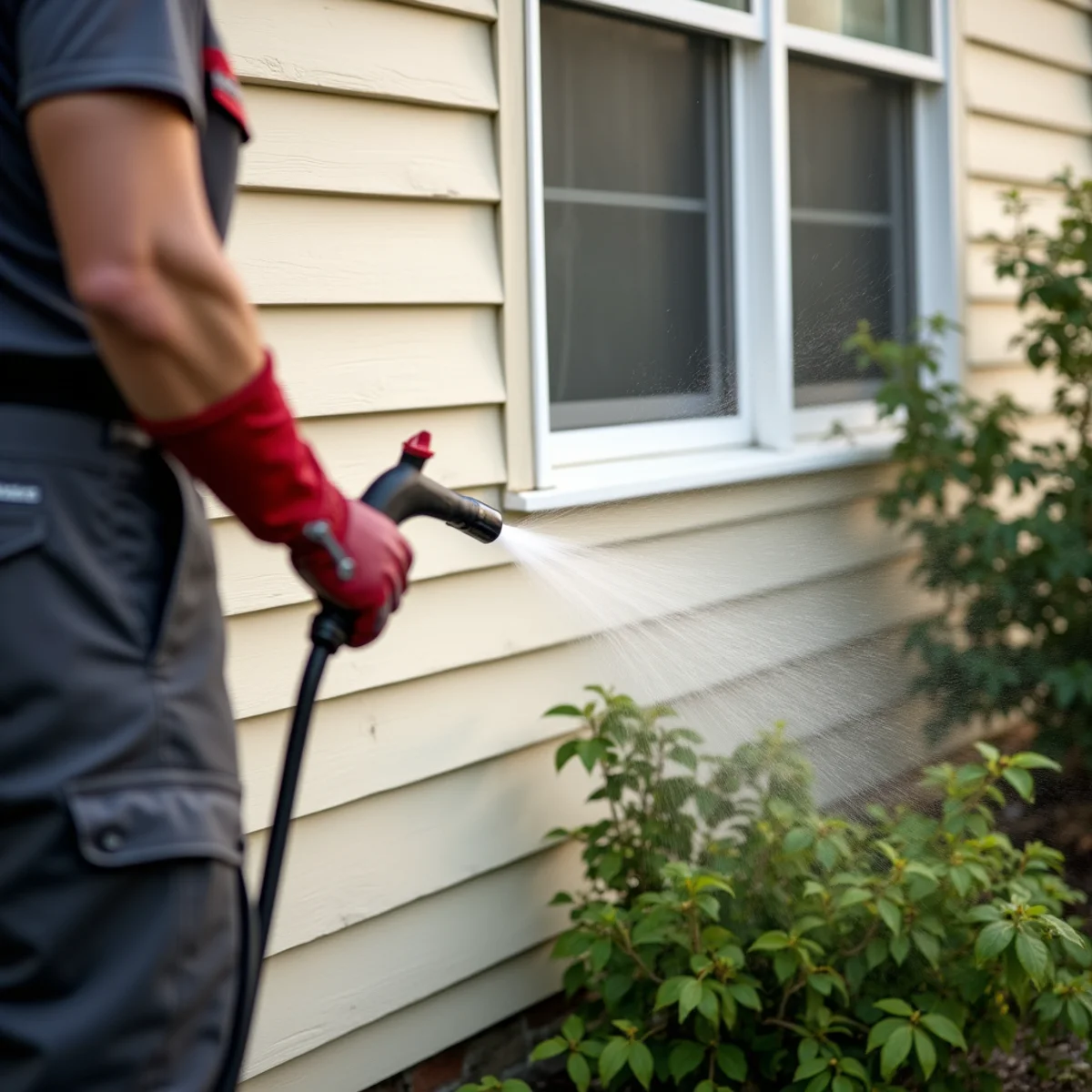
Yes — soft washing is not just safe for vinyl siding, it's the method we recommend for it. Vinyl handles weather well but reacts badly to concentrated pressure, which can crack panels, drive water up behind them, and leave permanent dents. Soft washing works the opposite way: low pressure, close to a strong garden hose, paired with a cleaning solution that breaks down the algae and mildew Georgia's humidity keeps feeding. The one caveat is older, chalky vinyl that has oxidized in the sun — that calls for a careful check before anyone starts spraying.
Why Vinyl Siding and High Pressure Don't Mix
Vinyl earns its popularity by standing up to Georgia sun, rain, and humidity for decades. But the panels themselves are thin, flexible plastic, hung loosely so they can expand and contract with temperature swings. Every one of those traits becomes a weakness the moment concentrated pressure hits them.
The failures we see follow a pattern, and most of them are permanent:
- Cracks and punctures, especially in older panels that have turned brittle after years of sun exposure
- Water driven up behind the laps, where it sits against the sheathing and can feed mold and rot you never see until it's serious
- Oil-canning — a rippled, dented look that stays after force flexes the panel out of shape
- Panels popped loose at their locking seams or around windows and trim, which then rattle and leak
How Soft Washing Cleans Without the Force
Soft washing flips the job from force to chemistry. The rinse hits your siding with roughly the pressure of a garden hose, and a purpose-mixed cleaning solution does the actual work — breaking down algae, mildew, and the grimy film at the root before everything rinses away.
That matters in Georgia because most of what's on your siding is alive. The green haze that creeps across shaded, north-facing walls is algae. Spring pollen leaves a sticky film that grabs dust and holds it. On the wooded lots common around Woodstock and Kennesaw, tree cover keeps siding damp and shaded — exactly the environment that growth loves.
Because the solution kills growth instead of just knocking the visible layer off, a soft-washed house typically stays clean longer than one that was simply sprayed with water. Pressure alone tends to smear living algae around and leave the roots behind.
The Soft Wash Process, Step by Step
A professional soft wash is more methodical than it looks from the curb. Notice what's missing from the sequence below: ladders leaned against wet panels and a high-pressure wand. Everything happens from the ground, at low pressure.
Here's how a typical visit runs on our jobs:
- Walk-around inspection — we check siding condition, look for loose panels and failed caulk, and test for oxidation before anything gets wet
- Landscape protection — we pre-wet and protect landscaping around the house, and keep rinsing plants as we work
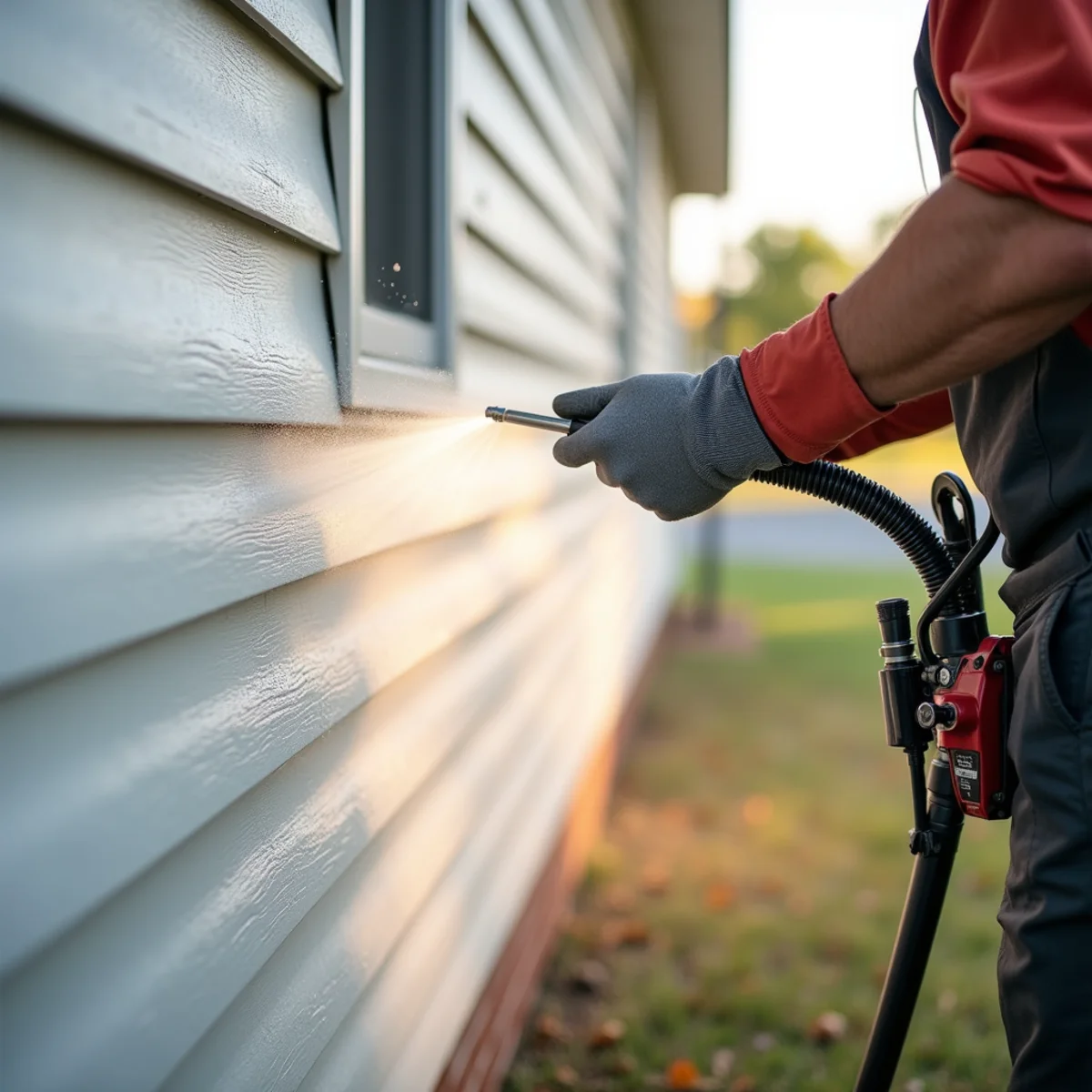
- Application — the cleaning solution goes on from the ground with low-pressure equipment, one section at a time
- Dwell time — the solution sits for several minutes so it can break down growth at the root
- Rinse — a thorough top-to-bottom rinse at low pressure carries everything off the wall
- Final walk-through — we re-treat any stubborn spots and check the results with you before we leave
What to Expect During and After the Wash
Before we start, we ask homeowners to close windows and doors, keep pets inside, and move anything sitting against the house — grills, planters, furniture. Most houses take a few hours from setup to final rinse, and you don't need to be home the whole time.
Afterward, the change is visible the same day. Algae and mildew are usually gone outright, and the general dinginess rinses off with them. Be realistic about the exceptions: rust drips, paint scuffs, and old red clay splash-up near the foundation typically lighten rather than vanish completely. A mild cleaning scent may linger briefly before fading. How long the siding stays clean depends mostly on shade and tree cover — a wall under a canopy of oaks will green up faster than one in full sun.
The Oxidation Caveat: Older, Chalky Vinyl
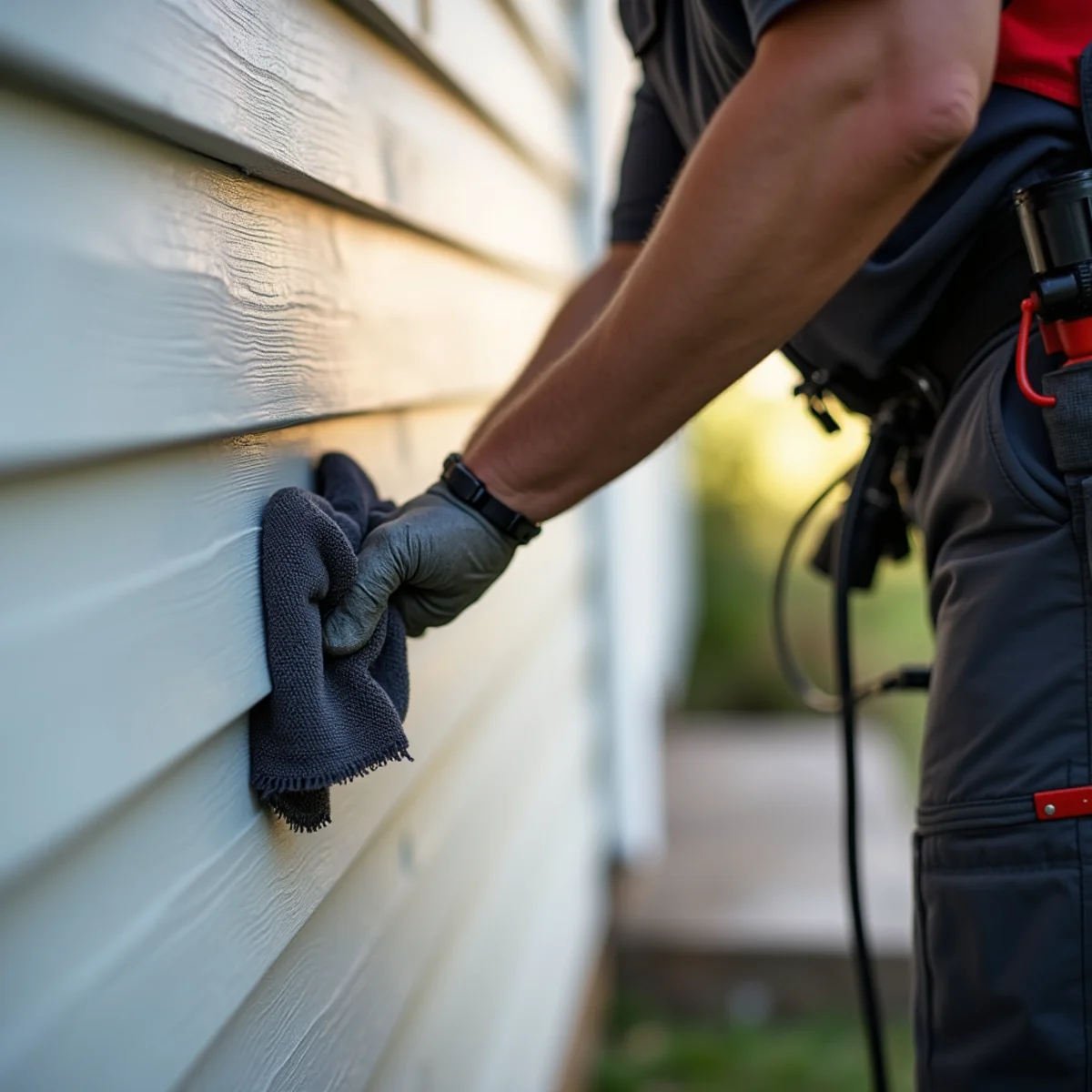
There's one honest caveat to the 'yes' answer. After many years of UV exposure, the surface of vinyl siding slowly breaks down into a fine chalky layer — that's oxidation. You can check for it yourself with a simple wiping test: rub your palm or a dark cloth firmly across the siding. If it comes away with a white, powdery residue, your vinyl has oxidized.
Why it matters: on heavily oxidized siding, any washing — even careful soft washing — can disturb that chalk layer unevenly and leave visible streaks or blotchy sheen. It isn't damage from the wash itself; it's an existing condition the cleaning reveals. But it surprises homeowners who weren't told to expect it.
This is why we test for oxidation during the walk-around and talk it through before we spray anything. If your siding is chalky, we'll show you the residue, explain what the wash can and can't do, and let you make the call. Any contractor who skips that conversation on older vinyl is setting you up for a bad surprise.
Questions to Ask Before Anyone Touches Your Siding
The way we see it at Redline — a firefighter-owned, locally owned and operated company based in Woodstock — a house wash should start with a walk-around, not a hose. That habit of sizing up the situation before acting comes straight from the owner's background: more than a decade in public safety teaches you to inspect first and act second.
Whoever you end up hiring, a few direct questions will tell you quickly whether they treat vinyl as its own surface or plan to hit your whole property with the same wand:
- What pressure will you use on the siding, and what does your cleaning solution do?
- Do you pre-wet and protect landscaping, and how do you handle plants during the rinse?
- Will you check for oxidation first — and what happens if you find it?
- What do you do if you find loose panels, gaps, or failed caulk? (The right answer: flag it and work around it, not wash over it.)
- Can I read your recent Google reviews?
Frequently Asked Questions
Will soft washing remove every stain from my vinyl siding?
It removes what's organic — algae, mildew, pollen film, and general grime usually rinse away completely. Rust streaks, paint scuffs, and ground-in red clay near the foundation typically lighten rather than disappear. We'll point out anything we expect to remain before we start.
How often should vinyl siding be washed in Georgia?
Most homes do well with a wash every year or two, but shade is the real driver. A house on a sunny, open lot stays clean longer than one tucked under trees. The practical signal is visual: when green film starts showing on the shaded side, it's time.
Is the cleaning solution going to hurt my plants?
Plant protection is built into how we work — we pre-wet and protect landscaping before applying anything and keep rinsing throughout the job. If you have a vegetable garden, koi pond, or plants you're especially attached to, tell us up front and we'll plan around them.
Can I soft wash my vinyl siding myself?
The concept is DIY-friendly, but the execution is harder than it looks: getting the solution mix right, reaching second-story siding without a ladder against wet vinyl, and rinsing thoroughly enough with a garden hose. Single-story homes are more realistic; for anything taller, professional equipment does the job more evenly and with less risk.
Want Your Vinyl Cleaned the Right Way?
Send us a couple of photos of your siding and we'll give you a straight answer — including whether oxidation is something to plan around. Free estimates across Cherokee County and North Metro Atlanta.
Get a Free EstimateMore From the Resource Center
- What to Look for When Hiring a Pressure Washing CompanyMost pressure washing quotes look the same on paper. The differences that actually matter — method, protection, and accountability — only show up when you ask the right questions.View
- Exterior Cleaning Checklist Before Selling a HomeBuyers judge your home from the curb before they ever step inside — and listing photos are the new first showing. Here's the exterior cleaning checklist to work through before your home hits the market.View