
Maintenance
How Often Should You Pressure Wash Your House in Georgia?
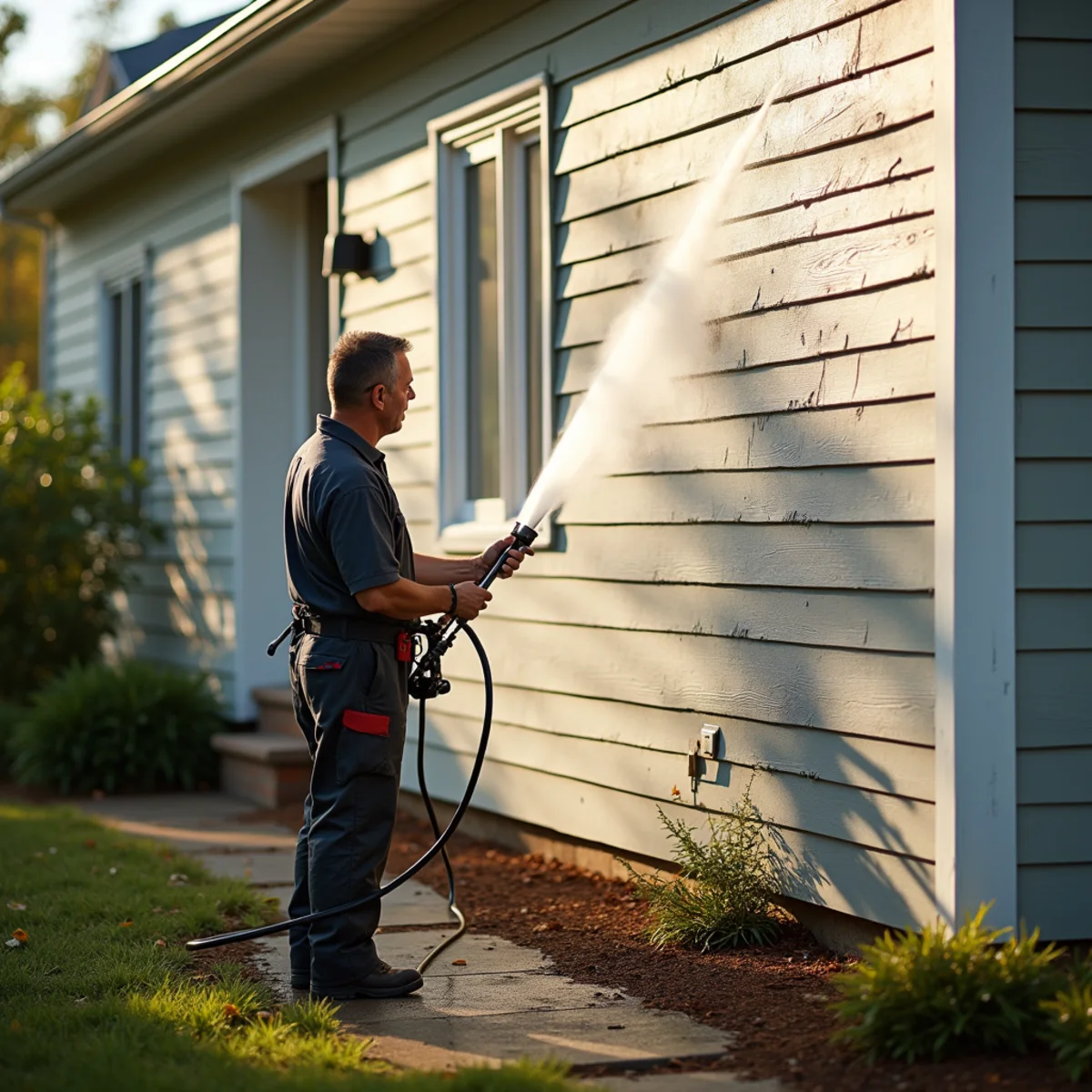
The Short Answer
For most Georgia homes, plan on a full exterior wash about once a year. Homes on shaded or heavily wooded lots — common across Cherokee County — usually need attention sooner, because algae and mildew grow fastest where the sun can't dry the siding. Rather than marking a rigid date on the calendar, watch the house itself: a green tint on north-facing walls, a pollen film that rain won't rinse off, dark streaks, or cobwebs stacking up in the eaves all mean it's time. Waiting longer rarely helps — it just gives growth time to settle in deeper.
The Honest Answer: About Once a Year
If you want a single number to plan around, it's this: most houses in and around Woodstock stay clean and presentable on a once-a-year wash. That cadence keeps you ahead of the algae, mildew, and grime that Georgia's long humid season produces, without paying to clean surfaces that are still in good shape.
But 'once a year' is a starting point, not a law. We see homes on open, sunny lots that still look sharp well past the one-year mark, and we see wooded, shaded properties where the green film starts creeping back within months of a wash. The difference is almost never the homeowner — it's the lot.
So instead of a fixed schedule, we tell people to think in factors. A five-minute walk around your property will tell you more than any calendar reminder.
What Speeds Up the Clock on a Georgia Home
Algae and mildew need two things to thrive: moisture and shade. Georgia's humidity supplies the moisture year-round, so the real variable from house to house is how much sun your walls get and how long they stay damp after rain or morning dew.
These are the factors we check when a homeowner asks whether an annual wash is enough for their property:
- Shade and tree cover — wooded lots stay damp longer, and overhanging limbs add sap, pollen, and leaf debris on top of the organic growth
- North-facing walls — they get the least direct sun, so they're almost always the first side of the house to turn green
- Humidity and drainage — homes near creeks, ponds, or low spots hold morning moisture longer than homes on open high ground
- Siding type — textured or porous surfaces like brick, stucco, and rough-sawn trim give spores more to grab onto than smooth vinyl
- Red clay exposure — bare beds and downspout splash zones fling clay onto the lower courses of siding, and it clings
Signs It's Time — No Calendar Required
Your house will tell you when it's due. The signals show up in a fairly predictable order, and catching them early is what keeps the cleaning gentle and straightforward.
Here's what to look for, roughly in the order it tends to appear:
- A faint green or gray tint on shaded siding — easiest to spot on the north side, near the foundation, or behind shrubs
- A yellow-green pollen film that rain no longer rinses away on its own
- Cobwebs, dirt dauber nests, and insect debris collecting in corners, soffits, and porch ceilings
- Dark streaks running down gutters, siding, or the roofline
- Orange-red staining along the bottom foot or two of the house from clay splash-back
- Concrete that looks darker in the shaded sections than in the sunny ones
The Best Time of Year to Wash in Georgia
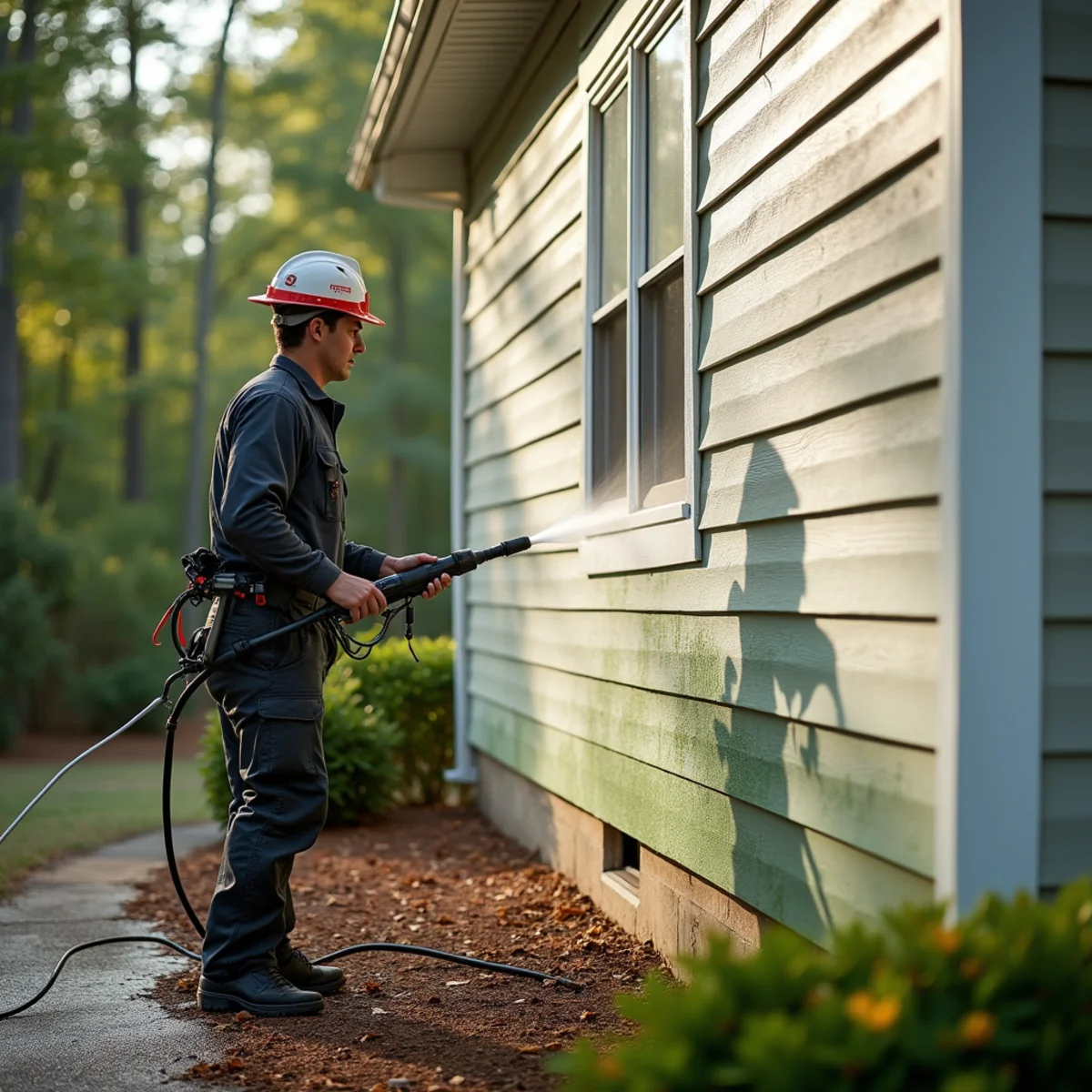
Late spring is the most popular window in North Georgia for a simple reason: pine pollen. Once the heavy yellow drop ends — usually by mid to late April around Cherokee County — a single wash clears the pollen film and the winter grime in one visit. Wash too early and the pollen just recoats the house.
Fall is the other strong window. A wash after the summer growing season removes everything the humid months produced and has the house looking its best before the holidays. It also means the exterior heads into winter clean, without organic growth holding moisture against the siding.
That said, exterior cleaning works in any season here — our winters are mild enough that there's no true off-season. The only genuinely bad time to wash a house is 'eventually.' If the green is already showing, the season matters far less than getting to it.
Why Waiting Too Long Makes the Job Harder
The green film on your siding isn't dirt sitting on the surface — it's a living organism that anchors itself and spreads. Give it an extra year and it roots deeper into textured surfaces, climbs higher up the walls, and starts leaving behind staining that a normal wash typically lightens but may not erase completely on the first visit.
A house that's washed on a regular rhythm cleans up with a standard low-pressure soft wash. A house that's gone several years usually needs stronger solution mixes, longer dwell times, or additional passes — more time on the wall for the same result. Heavy, established growth can also hold moisture against siding and trim between rains, which is exactly the condition you don't want sitting on your home month after month.
In short: regular washing isn't just about looks. Catching growth early is what keeps the cleaning process as gentle as possible.
How We Think About Wash Schedules at Redline
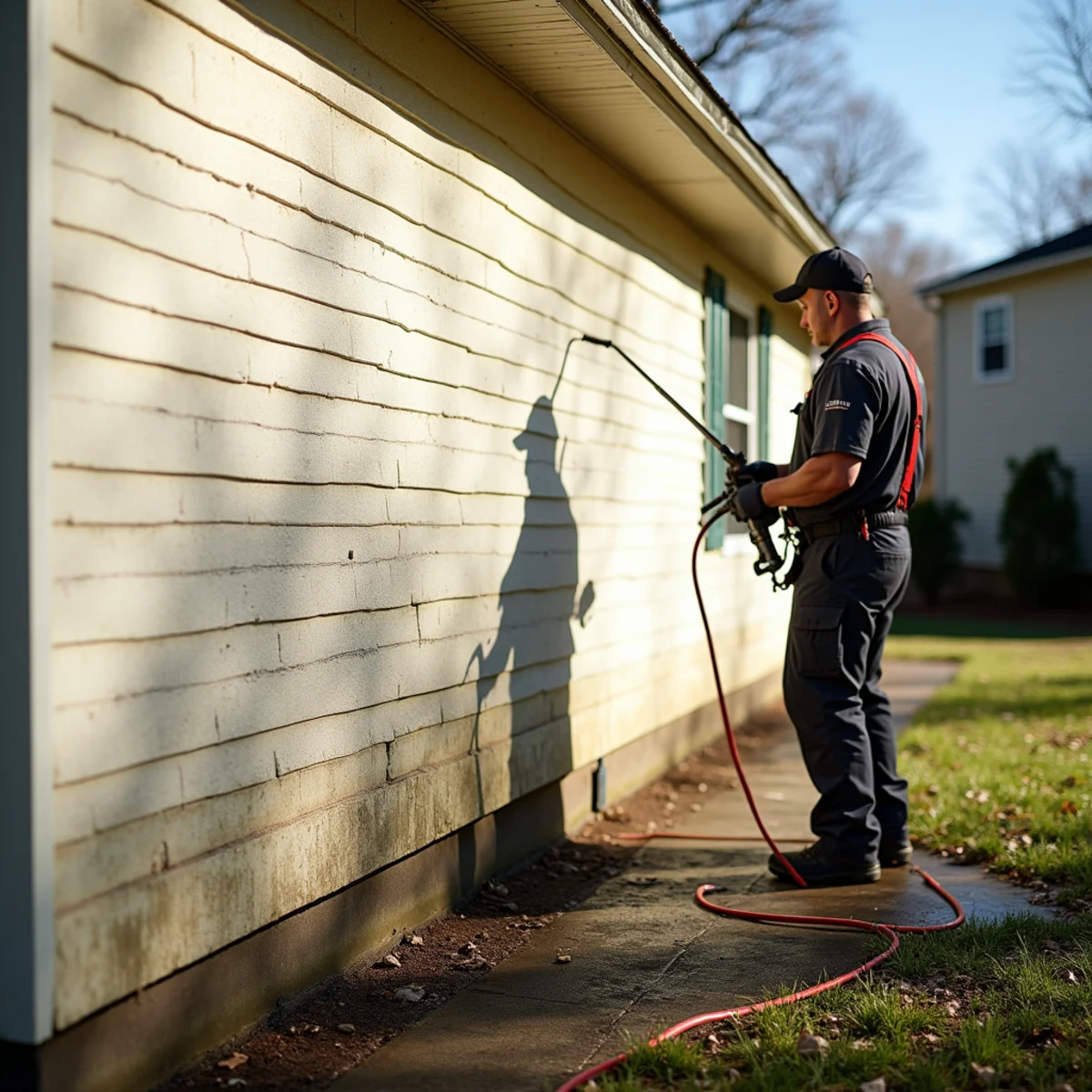
We're a firefighter-owned company based in Woodstock, serving Cherokee County and the North Metro Atlanta area, and we'd rather tell you to wait a season than wash a house that doesn't need it yet. When we clean a home, we pay attention to which walls are greening up first — that pattern is your house's personal schedule, and it's usually consistent year to year.
For most of our customers, that shakes out to a house wash about once a year, with heavily shaded or wooded properties checking in a bit sooner. Driveways and concrete often run on their own slower clock, unless they sit under tree cover. And whatever the surface, we pre-wet and protect landscaping before any solution goes on the house.
If you're not sure where your home falls, the signs above are the checklist we'd use ourselves. When the north wall starts to tint green, the clock has started.
Frequently Asked Questions
Can I go two years between washes?
On a sunny, open lot with minimal tree cover, sometimes — some homes genuinely hold up that long. But in most of North Georgia, two years means visible algae, set-in staining, and a harder cleaning job. If the house still looks clean at the one-year mark, inspect the north side and the shaded corners before deciding to wait.
Does washing my house every year wear out the siding?
Not when the right method is used. Siding should be cleaned with a low-pressure soft wash — a rinse comparable to a garden hose — where the cleaning solution does the work instead of force. Annual soft washing is far easier on a house than letting growth sit for years and then needing an aggressive cleanup.
What month is best to pressure wash a house in Georgia?
Late April through May is the sweet spot for most homes — right after the pine pollen drop ends, so one wash handles pollen and winter grime together. Fall is a close second. Any season works, though; if your siding is already green, don't wait for a better month.
Do my driveway and house need washing on the same schedule?
Usually not. Concrete in full sun often goes noticeably longer than siding before it needs attention. The exception is shaded concrete — under tree cover it grows the same algae as siding and can turn dark and slick quickly. Many homeowners pair the two anyway, since doing them in one visit is convenient.
Not Sure If Your House Is Due Yet?
Send us a photo of your shadiest wall and we'll give you a straight answer — wash it now or wait a season. Free, honest, and no pressure either way.
Get a Free EstimateMore From the Resource Center
- What to Look for When Hiring a Pressure Washing CompanyMost pressure washing quotes look the same on paper. The differences that actually matter — method, protection, and accountability — only show up when you ask the right questions.View
- Exterior Cleaning Checklist Before Selling a HomeBuyers judge your home from the curb before they ever step inside — and listing photos are the new first showing. Here's the exterior cleaning checklist to work through before your home hits the market.View