Seasonal
The Best Time of Year to Pressure Wash a Home in Georgia
The Short Answer
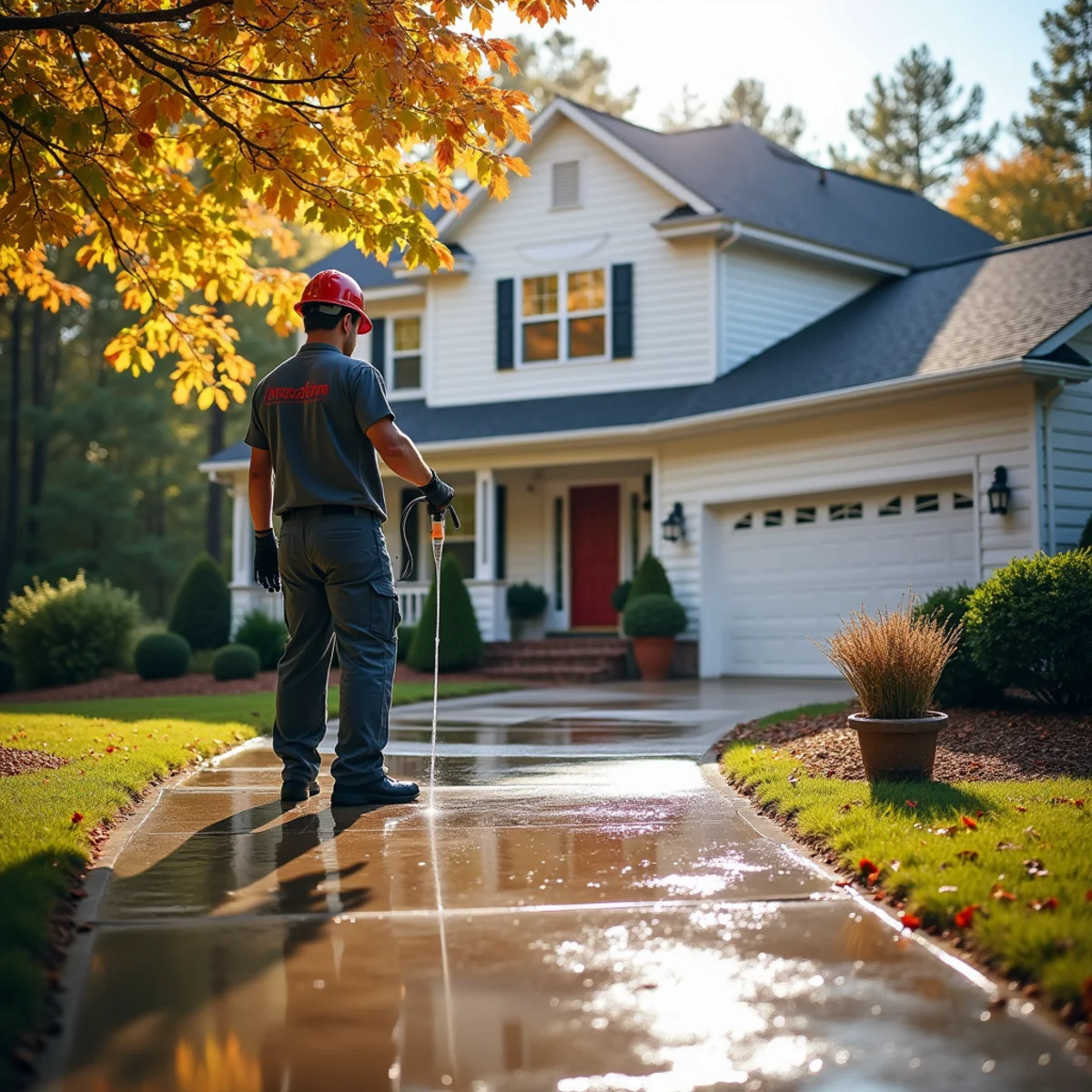
For most Georgia homes, the best time to pressure wash is late April through May, right after the heavy pollen drop. You get a clean exterior that carries into summer instead of being coated in yellow film within a week. That said, Georgia's mild climate makes exterior cleaning practical nearly year-round — late winter works for a fresh pre-spring start, summer handles algae flare-ups on shaded lots, and fall pairs naturally with gutter cleaning before the holidays. The right month depends less on the weather and more on what you want the wash to accomplish.
Start With Pollen: Georgia's Scheduling Complication
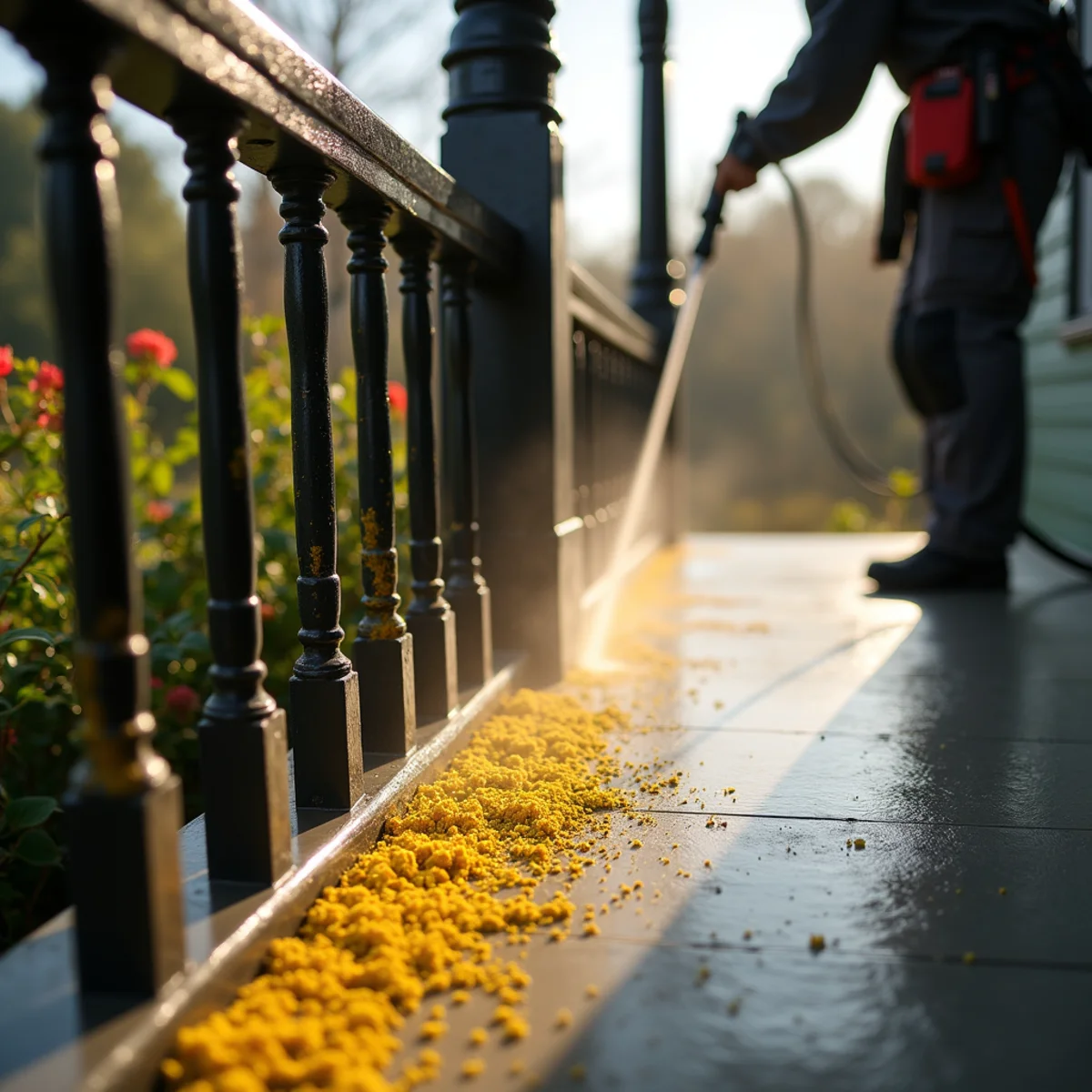
In most states, you'd schedule a house wash whenever the weather cooperates. In Georgia, one thing complicates the calendar: pollen. From roughly mid-March into late April, pine and oak pollen settles on everything — siding, porches, driveways, patio furniture, the works. On a light-colored house it reads as a dingy yellow haze; on dark trim it looks like dust that never stops coming.
That yellow wave is why the timing question has two reasonable answers instead of one. Wash before the pollen and you enjoy a clean house through late winter, then watch it film over again. Wash after the pollen drops and one cleaning resets the whole exterior for the warm months ahead.
Neither approach is wrong. It comes down to what you're cleaning for — which is why we walk the full calendar below.
Late Winter to Early Spring: The Pre-Pollen Wash
February and early March are quietly good months to wash a home in Georgia. Winters here are mild enough that exterior cleaning continues on most days — we simply work around the occasional hard freeze. Schedules are also more open before the spring rush, so getting the day you want is easier.
A pre-pollen wash makes the most sense when winter grime is the real problem: the gray film that builds up over the cool months, mildew creeping along shaded north-facing walls, and red clay splash-up along the foundation line from winter rains. Clearing all of that before spring means the only thing that lands on your house in April is pollen — which rinses off far more easily from a clean surface than from one with months of buildup underneath.
The trade-off is obvious: within weeks, the yellow film arrives. If a spotless exterior in April matters to you, this isn't your window. If a healthy, buildup-free exterior heading into spring is the goal, it's a smart one.
Late April Through May: The Post-Pollen Sweet Spot
Once the pollen finishes dropping — usually by late April in the Woodstock and North Metro Atlanta area — the single best cleaning window of the year opens. One thorough wash removes the pollen, the winter film beneath it, and the early green growth all at once. The result typically carries well into summer.
This is also when houses look their worst, which makes the before-and-after most dramatic. Pollen mixed with spring rain forms a stubborn yellow-gray residue that a garden hose won't touch, especially on textured siding and porch ceilings.
One honest caveat from our side of the schedule: everyone has the same idea. Late spring books up fast across Cherokee County, so if you want a May wash, reach out in April rather than waiting for the pollen to disappear first.
- Pollen season is over, so the results last instead of filming over in a week
- One visit resets siding, gutters' exterior faces, driveways, and patios for the season
- Outdoor living kicks off — decks, patios, and pool surrounds get cleaned right when you start using them
- Demand peaks, so booking a couple of weeks ahead helps
Summer: Algae Season on Shaded, Wooded Lots
Georgia summers are hot, humid, and stormy — exactly the conditions algae and mildew love. Homes on wooded lots, which describes a huge share of Cherokee County, are the most affected: tree canopy keeps siding and concrete damp and shaded, and the green film moves in faster than most homeowners expect. North-facing walls and fence lines usually show it first.
Summer is a perfectly good time to wash. Surfaces dry quickly, and house washing doesn't depend on cool weather. On hot days we adjust how we work — keeping surfaces wet through the cleaning process and pre-wetting and protecting landscaping before any solution goes on the house.
Think of summer less as a scheduled wash and more as a monitoring season. If green streaks appear on siding or the driveway turns slick and dark under the trees, that's worth addressing when you see it rather than waiting for fall — organic growth spreads while it sits, and the slick black buildup on shaded concrete is a genuine slip hazard around pools and walkways.
Fall and Winter: Quieter, and More Useful Than You'd Think
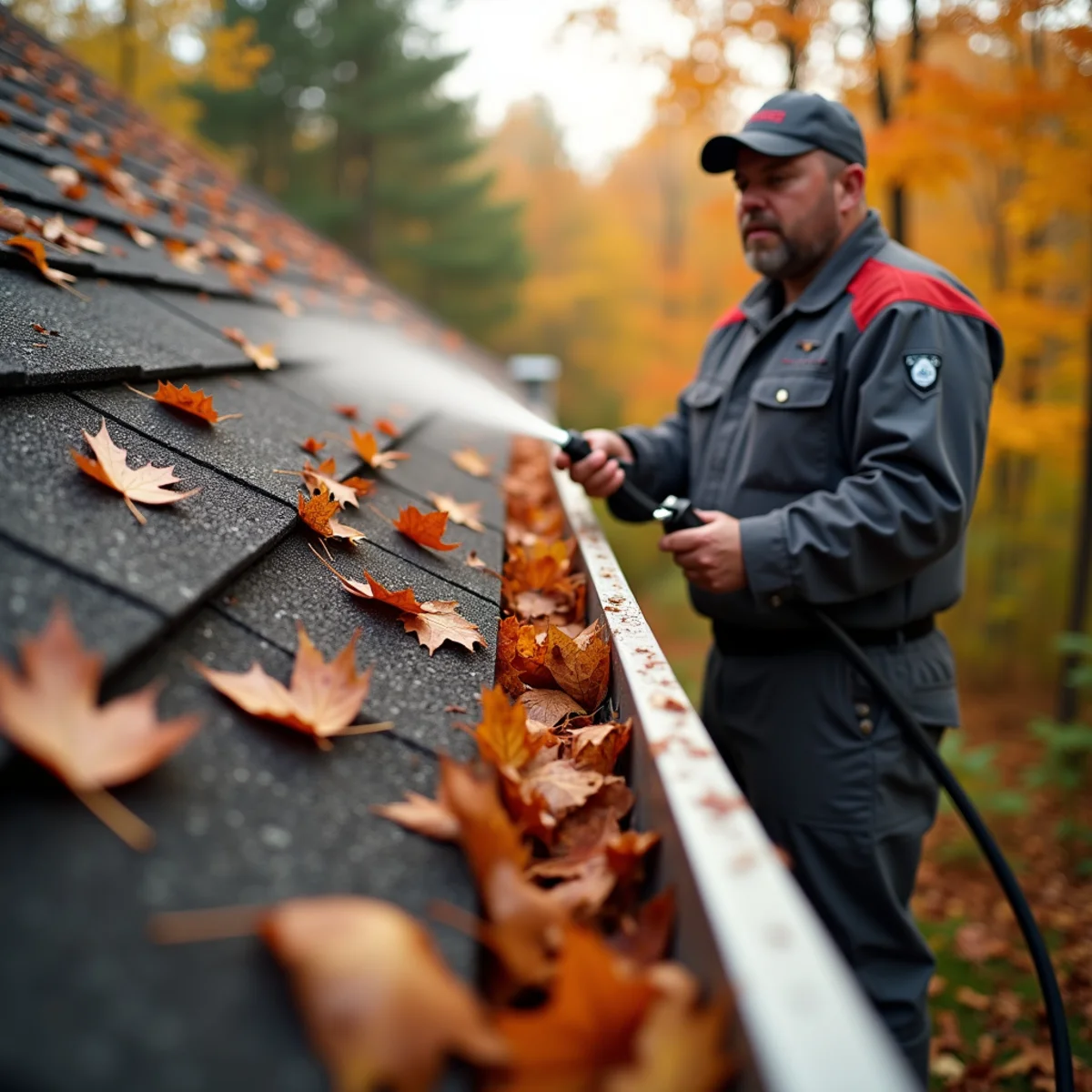
Fall gets overlooked, but it has real advantages. Cleaning after the bulk of the leaves have dropped — typically November here — pairs naturally with gutter cleaning, and it clears the tannin stains that wet leaves leave behind on driveways and patios. It's also the practical choice if you host for the holidays and want the exterior looking sharp for photos and guests.
Winter in Georgia rarely shuts exterior cleaning down. Most December-through-February days are well above freezing, and the off-season usually means flexible scheduling. The main limitations are the occasional freeze delay and shorter daylight hours.
The honest trade-off for both seasons: growth returns more slowly in cool weather, which works in your favor, but a fall wash done before the leaves finish falling can look untidy again within weeks. Timing around leaf drop matters more than the month on the calendar.
Our Honest Take: Match the Season to the Goal
If we could only pick one window for a full exterior wash in Georgia, it would be late April through May. Post-pollen results simply last longer, and it lines up with the start of outdoor season. But we clean homes in every month of the year, and there's no season where washing is a mistake — only trade-offs worth knowing about.
The simplest way to decide is to work backward from what you want:
- Want the longest-lasting clean for the year? Late April through May, after the pollen drop
- Hosting a spring event or listing your home early in the year? Late winter, before pollen season
- Seeing green film, black streaks, or slick concrete? Summer, as soon as you notice it
- Prepping for the holidays or clearing leaf stains? Late fall, after the leaves finish dropping
- Just want it done with flexible scheduling? Winter works far more often than people assume
Frequently Asked Questions
Can you pressure wash a house in winter in Georgia?
Yes, on most days. Georgia winters are mild, and exterior cleaning continues whenever temperatures are comfortably above freezing. We keep an eye on the forecast and shift around the occasional cold snap, but a hard shutdown for the season isn't a thing here.
Should I wash before or after pollen season?
After, if you only wash once — a late April or May cleaning removes the pollen along with everything underneath it and typically stays clean into summer. A pre-pollen wash in late winter still makes sense if winter grime or mildew is the bigger problem, or if you want the house sharp for early spring.
How often should a Georgia home be washed?
For most homes, once a year keeps siding and concrete in good shape. Homes on heavily shaded or wooded lots often benefit from a check every spring and fall, since algae and mildew return faster where trees keep surfaces damp. Sun-exposed homes on open lots can often stretch longer.
Does summer heat make it a bad time to pressure wash?
No — it just changes how the work is done. On hot days we keep surfaces wet throughout the process so cleaning solutions don't dry mid-job, and we pre-wet and protect landscaping before treating the house. Summer is often exactly the right time, since that's when algae growth shows up.
Want to Get on the Spring Schedule?
The post-pollen window fills up fast in Cherokee County. Tell us what your exterior needs and we'll recommend the right timing for your home — and get you a date that works.
Get a Free EstimateMore From the Resource Center
- What to Look for When Hiring a Pressure Washing CompanyMost pressure washing quotes look the same on paper. The differences that actually matter — method, protection, and accountability — only show up when you ask the right questions.View
- Exterior Cleaning Checklist Before Selling a HomeBuyers judge your home from the curb before they ever step inside — and listing photos are the new first showing. Here's the exterior cleaning checklist to work through before your home hits the market.View